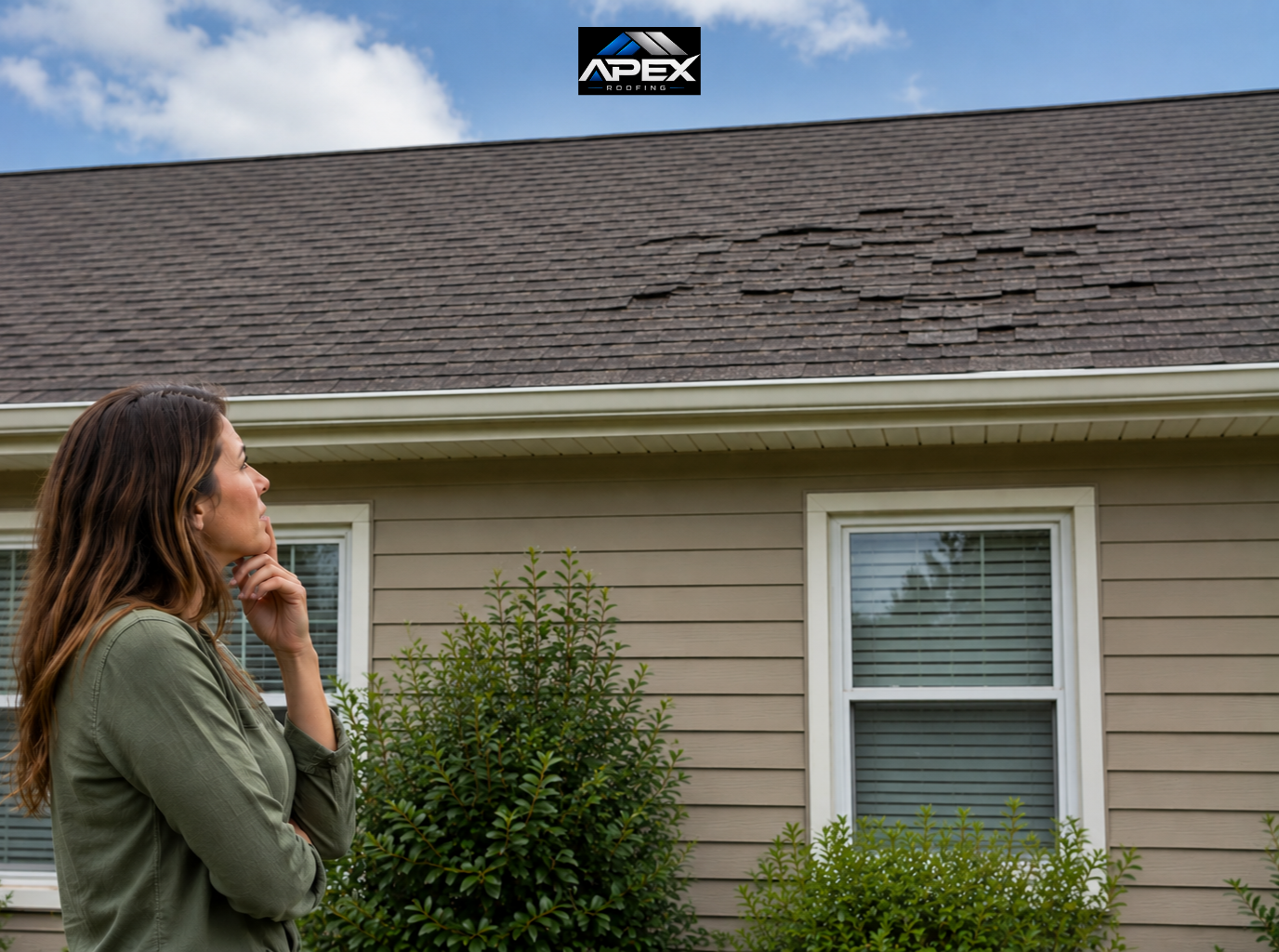
Why Your Roof Might Be Giving Up Early
Your roof is meant to be the loyal guardian of your home or business, standing strong for many years. But sometimes, roofs start showing signs of trouble way too soon, and it’s not just bad luck. Often, the cause is hidden issues like shoddy installation, poor ventilation, storm damage, or simply putting off maintenance for too long. If you're noticing these red flags, it might be time to consider repairing your roof or, if things are really bad, going for a complete replacement.
Let’s dive into the common reasons roofs fail early, how to spot the first signs of trouble, and what you can do to make your roof last longer. We’ll also take a peek into industry insights, practical prevention tips, and a real-world story of how a roof’s lifespan was extended with smart strategies. For more details on roofing standards and weather-related risks, check out the Federal Emergency Management Agency and the National Park Service. They offer great info on how building materials hold up under environmental stress.
For homeowners, landlords, and commercial property managers, understanding roof failure isn’t just about avoiding repairs. It’s about keeping the inside of your building safe, managing long-term costs, and maintaining the property’s value. If you’re juggling multiple properties, having support from roofing specialists can help catch issues before they become expensive problems.
Why Roofs Give Out Sooner Than Expected
Roofs Are Only as Strong as Their Weakest Part
A roof is like a layered cake, where each layer has to work together smoothly. You might only see the shingles or panels on top, but what’s underneath—like the underlayment, flashing, decking, vents, and fasteners—is just as important. If one piece is installed poorly or starts to fall apart, the whole roof can start to fail earlier than it should.
People often think roofs last for a set number of years, like 20 or 30. But those numbers are based on perfect conditions. In reality, things like weather, installation quality, and maintenance habits can chop years off that timeline. A roof that should last decades might start falling apart much sooner if the conditions are tough or the job wasn’t done right.
Roof Problems Usually Sneak Up on You
Roofs don’t typically fail overnight. They send out little warning signals that are easy to miss if you’re not paying attention. Things like minor granule loss, a small gap in the flashing, or a bit of heat buildup in the attic might not seem urgent at first. But these little issues can lead to bigger leaks and structural damage. By the time you see water stains inside, the damage might be pretty far along.
This is why regular inspection is so important. A roof might look fine from the ground, but hidden damage can be brewing above. Catching problems early often means the difference between a simple repair and a full replacement.
Manufacturing and Material Issues
Small Defects Can Cause Big Problems
One hidden reason for early roof failure is manufacturing defects. Sometimes, shingles don’t have enough asphalt or their granules don’t stick well, making them brittle and more prone to wear. Over time, these weaknesses can lead to cracking, curling, and granule loss, even if everything was installed correctly.
These issues aren’t always obvious at first. Defective shingles might blend in with the good ones until the roof faces a few tough seasons. If you notice brittleness, uneven wear, or unexpected granule loss, consider the quality of materials as a possible cause.
Choosing Materials That Fit Colorado's Weather
Different roofing materials handle heat, wind, hail, and freeze-thaw cycles differently. Asphalt shingles are popular because they’re cost-effective, but they might not handle UV exposure and impact damage as well as metal or tile roofs. In areas with harsh weather, it’s smart to think about material choice and how long it will last under local conditions.
In Colorado, the weather can be especially hard on roofs. They face strong sun, sudden hail, snow loads, and rapid temperature changes all in one year. A product that does well in a milder climate might wear out faster here. That’s why it’s crucial to match the material to the property and climate.
Improper Installation: A Major Culprit
Installation Mistakes Leave Hidden Issues
Experts often say installation errors are the main reason for early roof failure. Mistakes like incorrect nailing, inadequate underlayment, and poor flashing can allow water to get in. Even the best roofing materials can fail early if they’re not installed right.
For instance, improper nailing can cause shingles to lift in high winds, and poor flashing around chimneys and roof valleys can let water seep in. The problem might not show up right away, but repeated exposure will eventually lead to leaks, rot, and interior damage. Reliable installation is key to a roof’s longevity.
Signs of Rushed Installation
Signs of poor installation can include crooked shingle lines, exposed fasteners, uneven flashing, lifted edges, and early sealant failure. If problems start soon after installation, workmanship might be the issue. Many of these problems are avoidable when the contractor pays close attention to details.
Organizations like the Asphalt Roofing Manufacturers Association offer technical guidance on roofing best practices, showing why proper installation is so important. Remember, the cheapest bid isn’t always the best deal in the long run.
Ventilation Problems Can Speed Up Aging
Heat and Moisture Are a Bad Combo
Attic ventilation plays a big role in how well your roof performs. Trapped heat and moisture can damage the roof from below. Poor ventilation might cause shingles to overheat in summer and allow moisture buildup in winter, leading to early deterioration. In fact, poor attic ventilation can cut a 30-year shingle’s lifespan by 40 to 50 percent.
That’s significant because it means the roof might age twice as fast as a properly ventilated one. Over time, heat buildup can make shingles brittle, while moisture can lead to mold, mildew, and wood rot in the decking or framing. Ignoring ventilation can wear out your roof long before you expect it.
Check the Attic for Hidden Problems
A roof might look fine from the outside, while the attic tells a different story. Signs of poor ventilation include excess heat, condensation on rafters, rusty nails, damp insulation, or a musty smell. Don’t ignore these clues, especially if they show up alongside exterior roof wear or recurring leaks.
If you suspect ventilation issues, a professional inspection can determine if more ridge vents, soffit vents, or other improvements are needed. Regular maintenance and proper airflow can help extend your roof’s life and protect what’s underneath.
Weather and Storm Damage
Hail, Wind, and Snow: Roof’s Worst Enemies
The weather is a clear reason roofs fail early. Hail can bruise shingles, crack surfaces, and loosen granules, while strong winds can lift or remove shingles. Heavy snow and ice can stress roofing structures and create ice dams that force water back under the roofing material.
Storm damage is especially crucial in areas that face severe weather often. Even if a storm doesn’t cause a visible leak, the impact can weaken the roof over time. After major weather events, getting an inspection is a smart move for property owners.
Long-term Weather Exposure Matters Too
It’s easy to focus only on big storms, but everyday weather exposure matters as well. Constant UV radiation, temperature changes, moisture retention, and debris all contribute to aging. Over time, these small stresses add up and can cause failure even without a major storm.
That’s why roofs in harsh climates need close monitoring. Homeowners in Colorado, for instance, should watch both storm impact and long-term weathering because together, they can wear down a roof much faster.
Maintenance Oversights Can Lead to Big Problems
Annual Inspections Are Key
Regular maintenance is a simple way to avoid early roof failure. Annual inspections can uncover missing shingles, damaged flashing, clogged gutters, and other issues before they cause interior damage. When caught early, these problems are usually cheaper and easier to fix.
Maintenance is especially important for property owners who might not frequently check the roof or attic. A trained professional can spot subtle warning signs not visible from the ground. If your home shows wear, scheduling timely repairs can help extend your roof’s life.
Debris and Clogged Gutters Trap Moisture
Leaves, branches, and other debris can collect on the roof or in gutters, trapping moisture and speeding up deterioration. When water can’t drain properly, it backs up under shingles or sits against vulnerable areas. This increases the risk of rot, mold, and early failure.
Cleaning the roof and gutters regularly is a small task with a big payoff. It helps the roof dry properly after storms and reduces stress on flashing, edges, and drainage points. Simple upkeep often saves a lot of money in future repairs.
Signs Your Roof Might Already Be in Trouble
Visible Warning Signs Outside
Common external signs of roof failure include curling shingles, missing shingles, cracked shingles, granule loss, and sagging areas. You might also see exposed underlayment, damaged flashing, or roof valleys that wear out faster than the rest of the system. These symptoms usually mean the roof isn’t doing its job well.
If you notice these signs, don’t wait for a leak. By the time water gets inside, the damage might have spread to insulation, drywall, or framing components. Early action can save more of the structure and reduce costs.
Interior Clues Tell the Real Story
Inside, look for water stains on ceilings, peeling paint, damp insulation, musty odors, or light coming through attic boards. These are signs that the roof might be letting moisture into the building. Even if the leak seems small, repeated intrusion can lead to major repairs later.
For commercial properties and multi-unit buildings, these symptoms might be harder to spot because different areas can show damage at different times. That’s why property managers benefit from routine checks and coordinated inspections through roofing support.
A Real-Life Colorado Story: Ventilation Issues and Early Aging
How a Hidden Problem Came to Light
A homeowner in Colorado noticed curling shingles and small water spots much sooner than expected. At first, the damage seemed limited, but a closer look revealed that the attic ventilation was inadequate. Heat and moisture had been building up for years, silently aging the shingles and weakening the roof decking.
Once the issue was identified, the fix involved improving ventilation, repairing damaged areas, and setting up a maintenance routine for future inspections. The homeowner not only stopped the damage from spreading but also extended the life of the remaining roofing. This scenario is common because the root cause is often hidden, not obvious.
Lesson for Property Owners
When a roof fails too soon, visible symptoms are often just part of the story. The real cause might be a mix of installation quality, ventilation, weather exposure, and delayed maintenance. A thorough diagnosis helps find the true source so the solution tackles the problem, not just the symptoms.
This is why experienced contractors focus on both repair and prevention. Fixing a symptom without addressing the cause often means the same issue will return.
How to Make Your Roof Last Longer
Create a Maintenance Plan
The best way to protect your roof is with routine inspections. Check it after major storms, clean gutters regularly, and schedule a professional assessment at least once a year. If you manage rentals or commercial buildings, document inspection dates and note any repairs so small issues don’t get overlooked.
Maintenance should also cover the attic. Evaluate ventilation, insulation, and moisture conditions together because they impact how long the roof lasts. A solid maintenance plan helps delay costly replacements.
Pick the Right Repairs at the Right Time
Not every roof issue means replacement. Often, targeted repairs can stop damage and restore performance. This might involve replacing missing shingles, resealing flashing, correcting ventilation, or fixing damaged sections before issues spread.
However, when the roof is beyond repair, replacement is the better long-term choice. Knowing the difference between repairable wear and structural decline helps owners make informed financial decisions. If the roof is nearing the end of its life, a full replacement might offer better value than constant fixes.
FAQs About Premature Roof Failure
How Can I Tell if My Roof is Failing Early?
Common signs include curling or missing shingles, frequent leaks, granule loss in gutters, and interior water stains. If these issues show up before the roof should be aging, it’s time for a professional inspection. Early detection helps avoid bigger problems.
What Causes Roofs to Fail Quickly?
Improper installation, poor ventilation, and severe weather usually cause the most damage over time. Manufacturing defects and neglected maintenance also play big roles. Often, multiple factors work together instead of just one.
Should I Repair or Replace an Aging Roof?
It depends on the roof’s age, the extent, and whether the structure underneath is still sound. Small or isolated issues can often be repaired, while widespread wear might justify replacement. A professional inspection can help determine the best option.
Keeping Your Roof Strong Before It Gives Out
Prevention Beats Emergency Repairs
Finding roof problems early gives you more options. Waiting until it leaks usually means higher costs, more disruption, and a bigger chance of hidden structural damage. Taking care of your roof proactively gives you control over when repairs happen and keeps your building safe.
If you’re unsure about your roof’s condition, a thorough inspection can reveal what’s happening before damage becomes serious. Apex Roofing assists property owners in the region with inspections, repairs, replacements, and storm damage support to keep roofs performing longer. For homeowners and businesses in Englewood, teaming up with an experienced roofing contact center makes it easier to tackle issues as they arise.
Act Now
A roof that’s failing too soon often sends out warning signs long before major damage. The key is knowing what to look for and acting swiftly. Whether it’s a ventilation, installation, weather, or maintenance issue, the right fix starts with a thorough inspection and a plan tailored to your roof’s needs.
If you’ve noticed curling shingles, granule loss, leaks, or storm damage, don’t wait for the problem to escalate. Contact Apex Roofing for a professional evaluation and clear advice on the best next steps for your property.